
Commercial Truck Insurance Texas | Cheap Quotes! - Affordable Rates
Running freight across the Lone Star State is hard work, and finding the right commercial truck insurance Texas required coverages shouldn’t add to your headaches. For over 35 years, I’ve worked side-by-side with Texas owner-operators, fleet owners, and new ventures to build policies that protect their livelihoods without draining their cash flow. As an independent insurance agent, I don’t work for just one corporate carrier—I shop the market across multiple top-tier insurance companies to compare rates and secure the most competitive coverage for your operation.
Whether you are hauling oil out of the Permian Basin, running general freight up I-35, or managing a growing fleet out of our local hubs, having an experienced agent in your corner makes all the difference.
To submit a quote request 24 hours a day fill out this Quote Request Form.

Low Cost Commercial Truck Insurance Texas
Keeping overhead low is critical to surviving in today’s freight market. When truckers search for low cost commercial truck insurance Texas options, they aren’t just looking for the cheapest upfront price—they need a policy that satisfies broker requirements, protects their equipment, and avoids costly coverage gaps. By leveraging my independent agent status, I compare multiple carrier quotes to find programs that feature low down payments and EZ monthly payment plans. We structure your deductibles and liability limits so you get maximum savings without sacrificing the protection you need when an accident happens on Texas highways.

Semi Truck Insurance Texas
Long-haul and regional semi-truck operations form the backbone of the American supply chain. Semi truck insurance Texas policies require careful tailoring, especially if you are hauling heavy commodities, refrigerated goods, or operating across state lines. From Class 8 tractors pulling dry vans and reefers to flatbeds and step-decks, I help owner-operators and motor carriers secure primary liability, physical damage, and cargo coverage tailored to the specific lanes they run. Operating out of major trade corridors means your trucks need robust coverage that satisfies demanding shipper contracts.
Box Truck Insurance Texas
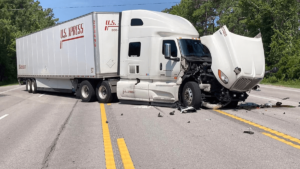
From local delivery box trucks navigating congested city streets to regional furniture movers and logistics contractors, box truck insurance Texas protects your business against unforeseen road hazards. Box trucks face unique risks like frequent loading dock maneuvering, parking lot dings, and pedestrian traffic. We design flexible policies for non-CDL and CDL box trucks alike, ensuring your primary liability, motor truck cargo, and physical damage coverages align perfectly with your business model. For operators managing distribution networks further south, review our

Cargo Van Insurance Texas
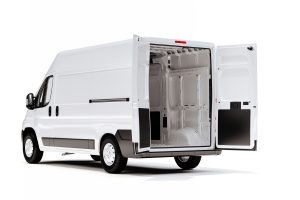
Sprinter vans and cargo vans have exploded in popularity for expedited freight, last-mile delivery, and courier services. Securing proper cargo van insurance Texas coverage ensures that your nimble delivery vehicles are fully protected while operating under tight delivery windows. Because cargo vans often operate at high speeds and carry valuable, time-sensitive parcels, standard personal auto policies will deny coverage in the event of a commercial claim. We provide dedicated commercial liability and transit cargo coverage designed specifically for hotshot cargo van operators. For businesses expanding into South Texas hubs, check out our
Dump Truck Insurance Texas
Construction booms, infrastructure projects, and aggregate hauling require rugged protection for heavy-duty vocational trucks. Dump truck insurance Texas policies must account for off-road job site risks, heavy weight classifications, flying debris, and tipping hazards. Whether you operate a tri-axle, quad-axle, or a tractor-trailer dump rig hauling gravel, sand, or asphalt, we secure specialized liability and physical damage coverage that keeps your trucks rolling on tight project deadlines. If your construction hauling routes cover the metroplex, visit our

Comprehensive Commercial Truck Insurance Coverages Explained
A solid commercial trucking policy is made up of several distinct coverage components. Understanding each one helps you make informed decisions about your risk management:
-
Primary Auto Liability: Mandated by law, this covers bodily injury and property damage you cause to third parties in an accident. Without it, you cannot legally operate or obtain operating authority.
-
Motor Truck Cargo Insurance: Protects the freight you are hauling against loss, theft, fire, or damage while in transit.
While not always legally mandated for general freight, nearly every broker and shipper requires it before tendering a load. Read more on our dedicated motor truck cargo insurance page -
Physical Damage Coverage: Covers the repair or replacement of your own truck and trailer if involved in a collision, rollover, fire, theft, or severe weather event.
If your equipment is financed, your lender will require this. -
Trailer Interchange Coverage: A specialized physical damage agreement that protects trailers you do not own but are pulling under a written interchange agreement (common in intermodal container hauling). Learn more about these requirements on our
UIIA insurance requirements intermodal trucking page -
Non-Owned Trailer Physical Damage: Covers physical damage to trailers belonging to others that are in your custody or care, even if not tied to a formal interchange agreement.
-
Hired & Non-Owned Auto Liability: Protects your business if you or your employees drive personal, rented, or leased vehicles on company business.
-
Personal Injury Protection (PIP) No-Fault: Covers medical bills and lost wages for you and your passengers regardless of fault, as required or regulated under Texas insurance standards.
-
Medical Payments (MedPay): Covers reasonable medical and funeral expenses incurred by drivers or passengers injured in an accident, regardless of liability.
-
Uninsured/Underinsured Motorist (UM/UIM): Protects your truck and driver if you are hit by a motorist who carries little or no insurance.

Texas Intrastate vs. Interstate Trucking & Insurance Requirements
Knowing whether your operations fall under state or federal jurisdiction is the first step in establishing compliant insurance and filings.
-
Intrastate Trucking (Texas-Only): If your commercial motor vehicles operate strictly within the borders of Texas and never cross state lines, your authority and financial responsibility are regulated by the Texas Department of Motor Vehicles (TxDMV).
For most commercial trucks with a gross weight or GVWR over 26,000 pounds, the Texas intrastate public liability minimum is $500,000. Household goods movers have specific cargo requirements ($5,000 per vehicle / $10,000 aggregate), and your insurer must file a Form E electronically with the TxDMV to keep your certificate active. For official state guidelines, visit the Texas Department of Motor Vehicles (TxDMV) commercial truck insurance El Paso page -
Interstate Trucking (Crossing State Lines): If your freight or commercial vehicles cross state lines, you fall under Federal Motor Carrier Safety Administration (FMCSA) jurisdiction. General freight carriers operating vehicles over 10,000 pounds must carry a federal minimum liability limit of $750,000.
Hauling hazardous materials raises federal financial responsibility requirements from $1,000,000 to $5,000,000. Insurers file a BMC-91 or BMC-91X as proof of federal coverage. Access federal safety portals directly at the FMCSA official website
We works with highly rate carries who meet app the requirements of the Texas department of insurance.
To stay ahead of regulatory changes and network with industry leaders,
ELD Mandates, Telematics, and Premium Discounts
If you operate in interstate commerce, federal regulations require the use of an Electronic Logging Device (ELD) plugged directly into your truck’s diagnostic port to automatically record hours of service (HOS) and prevent driver fatigue.
Beyond regulatory compliance, commercial insurance underwriters are increasingly incorporating telematics—technology that tracks real-time driving behavior, speed, harsh braking, and route patterns—into their rating models.
How to secure the largest premium discounts: Allowing your insurance carrier to connect directly to your ELD or telematics device proves your safety habits on the road. Insurers reward operators who maintain clean driving metrics with substantial rate discounts because real-time data demonstrates lower risk and disciplined fleet management.
Truck Registration Hubs & Heavy Vehicle Tax Compliance
Depending on whether you operate intrastate or interstate, registration requirements vary significantly across Texas:
-
Intrastate Registrations: If you operate strictly within Texas, you can handle filings and registrations through TxDMV regional service centers. The three major regional hubs include:
-
Houston Regional Service Center: 2110 E. Governors Circle, Houston, TX 77092
-
Dallas Regional Service Center South: 562 East Wheatland Road, Duncanville, TX 75116
-
San Antonio Regional Service Center: (Rolling Oaks Mall) 6909 North Loop 1604 E, Suite 1199, San Antonio, TX 78247
-
-
Interstate Registrations (IRP): If you haul across state lines, you will need Apportioned Registration via the International Registration Plan (IRP), which allows commercial motor carriers to apportion registration fees across multiple member jurisdictions based on the distance traveled in each state. Learn more through the
Texas Apportioned Registration Plan portal -
Heavy Vehicle Use Tax (HVUT): If you operate heavy commercial vehicles with a taxable gross weight of 55,000 pounds or more, you must pay the federal HVUT and file IRS Form 2290. For step-by-step filing guidance, read our
Heavy Vehicle Use Tax (HVUT) IRS Form 2290 Guide
For regional operations branching into Central Texas, explore our
Local Experts for New Authorities and New Ventures
Starting a new trucking business is an exciting milestone, but navigating compliance hurdles can be intimidating. As local experts in new ventures and newly licensed CDL holders, we make the process seamless.
To launch your authority, you will first need to secure a USDOT number through the
For roadside safety compliance and weight station regulations across the state, review the guidelines provided by the

Commercial Driver’s License (CDL) Classes in Texas
Operating commercial motor vehicles in Texas requires the appropriate Commercial Driver’s License classification based on vehicle weight and configuration:
-
Class A CDL: Required to operate any combination of vehicles with a Gross Combination Weight Rating (GCWR) of 26,001 pounds or more, provided the towed vehicle exceeds 10,000 pounds GVWR.
-
Class B CDL: Required for single vehicles with a GVWR of 26,001 pounds or more, or any such vehicle towing another vehicle not exceeding 10,000 pounds GVWR (such as straight trucks and large buses).
-
Class C CDL: Required for vehicles transporting placardable hazardous materials or designed to transport 16 or more passengers (including the driver) that do not fit Class A or B criteria.
For comprehensive details on testing, medical certifications, and state eligibility rules, review our complete
Tips for Lowering Your Commercial Truck Insurance Costs
Insurance premiums represent one of the highest operating expenses for a motor carrier. Implementing proactive risk strategies can drastically reduce your annual overhead. For proven cost-saving tactics, read our detailed blog post on
CSA Scores, CAB Reports, and Safety Ratings
Underwriters examine your safety record closely when quoting your policy. Compliance, Safety, Accountability (CSA) scores and Carrier Safety Data (CAB) reports reflect your on-road safety history, roadside inspection results, and driver violations. Maintaining a clean safety record is one of the most powerful factors in securing lower insurance rates. To understand how carrier scores impact your premiums, visit our guide on
Frequently Asked Questions About Commercial Truck Insurance in Texas
How much does commercial truck insurance cost in Texas?
Insurance costs vary widely depending on your radius of operation, driving experience, vehicle type, cargo value, and coverage limits. On average, primary liability for an established owner-operator ranges from $8,000 to $18,000+ per year, while new ventures may see higher premiums due to lack of historical carrier data. As an independent agent, I compare multiple carriers to find the most competitive pricing for your specific operation.
What are the FMCSA insurance requirements for interstate trucking?
For-hire general freight carriers operating interstate must carry a minimum of $750,000 in primary public liability insurance, filed via Form BMC-91 or BMC-91X. Hazardous material transporters face federal requirements ranging from $1,000,000 to $5,000,000.
Do you provide the MCS-90 endorsement?
Yes. We ensure all necessary financial responsibility endorsements, including the MCS-90, are correctly structured and documented to satisfy federal and shipper requirements.
Do you offer low down payments and monthly payment plans?
Yes. We understand cash flow is vital for truckers. We work with specialized premium finance companies to offer low down payment options and flexible EZ monthly payment plans.
Can I get a commercial truck insurance quote if I am a New Authority with a brand-new CDL?
Absolutely. We specialize in underwriting new ventures and newly licensed CDL holders, guiding you through DOT registration, filings, and affordable startup insurance policies.
What is the difference between Bobtail liability and Primary liability?
Primary liability covers you while you are under dispatch and hauling a load. Bobtail liability covers you when you are driving your truck bobtail (without a trailer) for personal use or outside of active dispatch.
How quickly can I get a Certificate of Insurance (COI) for a freight broker?
Once your policy is bound and down payment is processed, I issue certificates of insurance rapidly so you can secure broker load packets and get on the road without delay. Contact Daniel Colucci to start saving oney today!